Programs
[Trio Sonata]
Vivaldi e Venezia
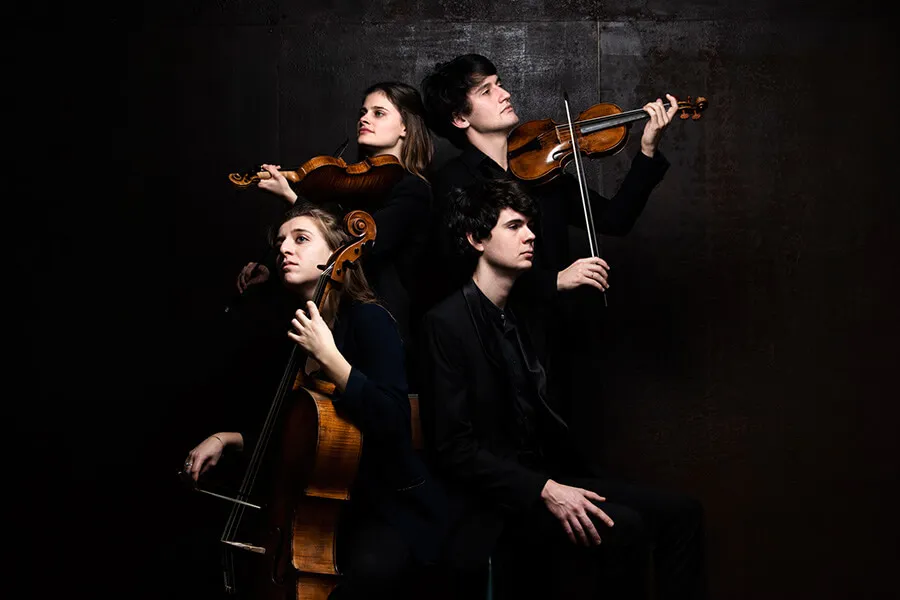
Antonio Vivaldi's trio sonatas are masterpieces of our trio sonata repertoire. In this program, we wanted to explore not only his sonatas, but also those of other composers from La Serenissima who composed before Vivaldi and contributed to the incredible musical effervescence of this city in the 17th century. This program, as dance-like and contrasting as it is intimate and sensitive, combines the extravagance of a radiant maritime city with the expression of a singular, sweet, and poignant inner song.
A trio sonata soirée
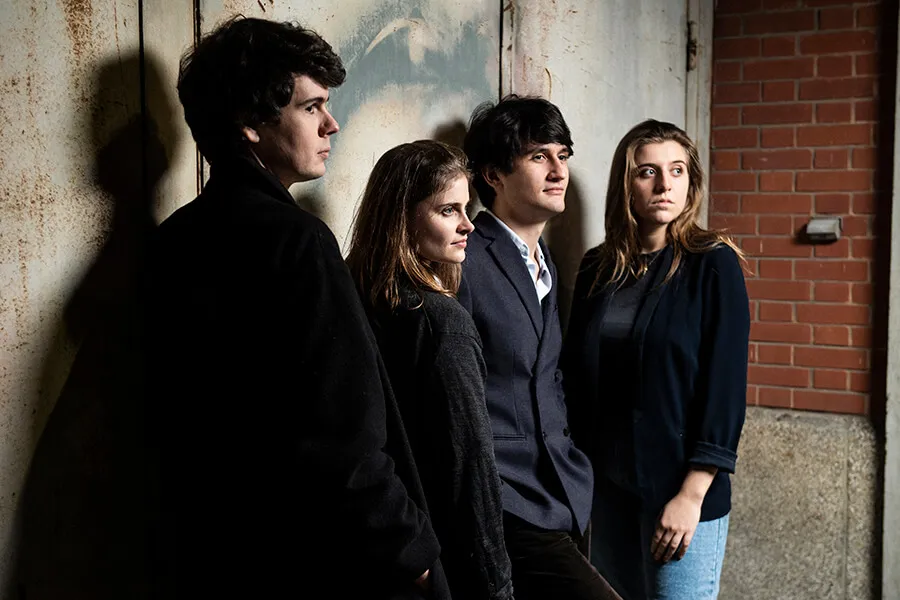
This program is an invitation to travel through 18th-century Baroque Europe, strongly influenced by the influence of Italian music and Italian composers. The Consort illustrates the melancholy and captivating subtleties of English and French Baroque, influenced by the sunny brilliance and virtuosity of Italy. Three composers are honored: Henry Purcell, famous for his operas such as Dido and Aeneas and for his inventiveness; Nicolas Matteis, born in Italy and later emigrated to London, who led an extravagant life and composed in a unique style, particularly for the violin; and Miss Philharmonica, a mysterious composer who published her sonatas in London in 1715. The program also includes two magnificent versions of “Follia,” the most iconic melody of the era, which still resonates today, by Vivaldi and Reali.
Philarmonica
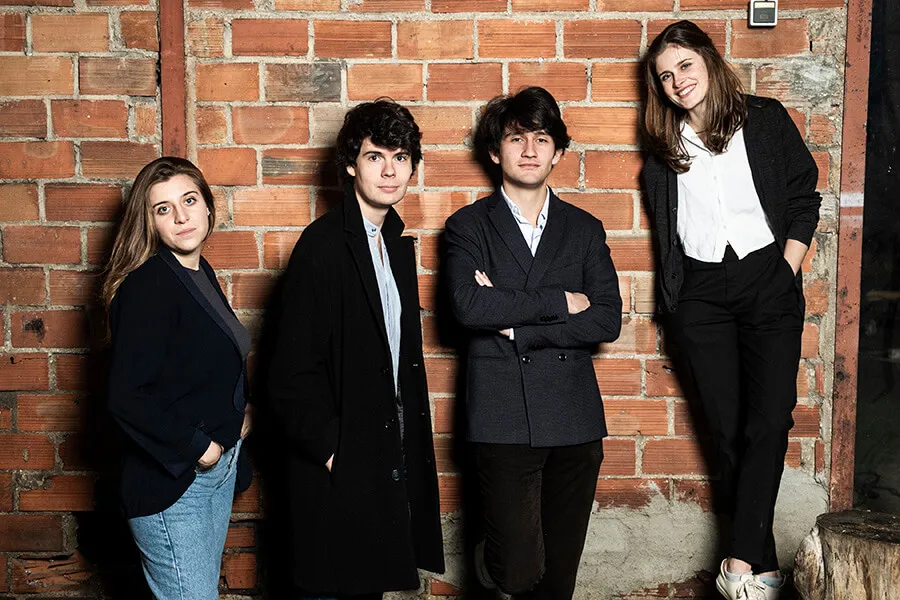
At the end of the 1600s, London experienced an artistic golden age, with the arrival of many foreign musicians and the proliferation of theaters and concert halls where audiences came to listen to the stars of the moment. One of these musicians was the Italian Nicola Matteis, who arrived around 1660 and became the sensation of the London music scene. Purcell was only a child at the time and there is no evidence of them ever meeting, but it is very likely that Purcell was familiar with Matteis' works, including his Ayres, recorded here for the first time in a version for four-part consort. This effervescence in London gave rise to some surprising discoveries, such as the music of a mysterious female composer who published trio sonatas around 1715 under the name Mrs. Philarmonica. The Consort offers the very first recording of this highly interesting music, undoubtedly influenced by Corelli and probably composed by a female musician who, given the conventions of the time, used a pseudonym. Unfortunately, her true identity remains unknown to us.
Opus 1
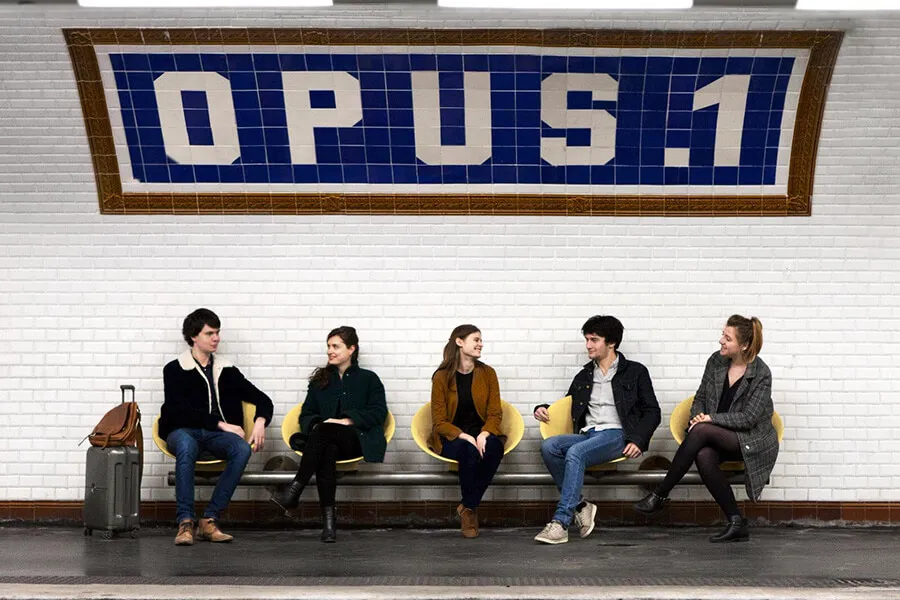
Although Dandrieu is best known for his talents as an organist, his trio sonatas deserve a prominent place in the chamber music of the period. They display a mastery of style and an astonishing variety of character. Dances bursting with energy, a playful and spirited counterpoint between the three parts, movements suspended by their highly expressive Italian-style delays, articulation, phrasing, rhythm, gentleness, passion... life itself. He published them under the name Premier oeuvre in 1705, at the age of 23, the same age we were when we first met and played these sonatas: “Opus 1 as the title for this album was therefore a natural choice!” say the members of the Consort. The trio sonata emerged in the second half of the 17th century and Corelli, master of the genre, contributed to its popularity throughout Europe. Dandrieu's trio sonatas bear the mark of Corelli. And when he named one of his pieces for harpsichord La Corelli, he established himself as the heir to the great Italian master... We have taken up the challenge of offering a version in the form of a Sonata a tre...
[VOCAL MUSIC]
Teatro Sant'Angelo

During the Venice Carnival of 1637, a piece “rappresentata in musica” was performed for the first time in public... It was a success. Opera was born and spread like wildfire. Venice had the most theaters in the world. In 1677, the Teatro Sant'Angelo opened its doors on the campo of the same name. Cramped, chaotic, extremely productive, and inexpensive, it was renowned for its musicians and sets. This effervescence owed much to the figure of Vivaldi, who, from 1705 onwards, regularly premiered his operas there and acted (with his father) as impresario. Arsilda, L'incoronazione di Dario, and La verità in cimento were triumphs there, but he also invited composers such as the young Fortunato Chelleri and Giovanni Alberto Ristori. Mezzo-soprano Adèle Charvet and her colleagues from Le Consort pay tribute to all these composers with a flamboyant program that combines famous arias and world premieres—no fewer than 12!
Royal Handel
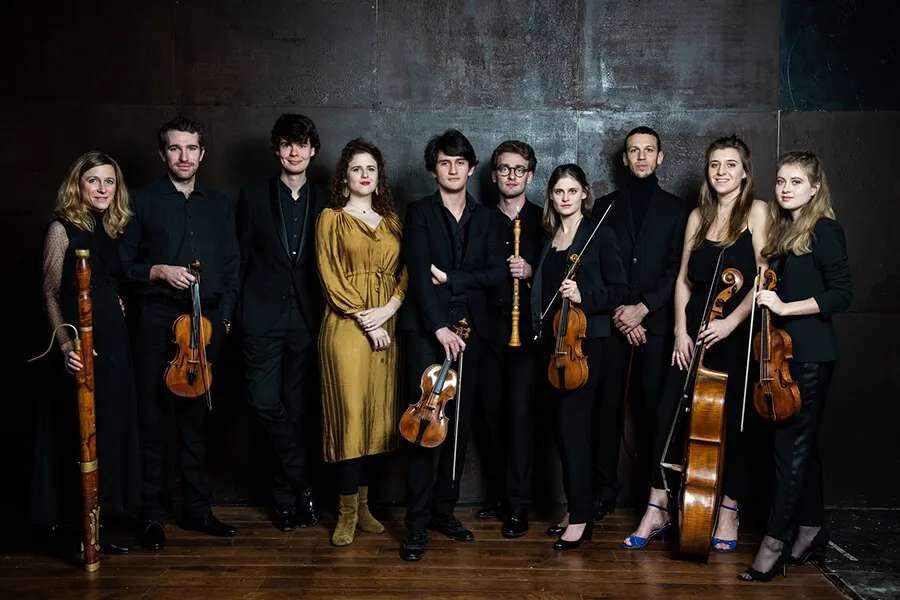
London, February 1719, birth of the Royal Academy of Music. Georg Friedrich Handel is appointed musical director. Originally from Germany, having spent four years in Italy, Handel wants to make London the new capital of opera. The only language sung on the stage of the King's Theatre was Italian, and two other composers were brought over from the peninsula: Attilio Ariosti and Giovanni Battista Bononcini. Both string instrumentalists, they brought a new instrumental dimension. The enthusiasm was considerable: 34 operas and more than 460 performances were given in nine years at the Royal Academy. Handel premiered his masterpieces Giulio Cesare in Egitto, Ottone and Radamisto there. Ariosti and Bononcini also enjoyed great success between 1720 and 1723, notably with Coriolano (Ariosti) and its sublime aria “Sagri numi.” ROYAL HANDEL is a musical portrait of the first Royal Academy of Music. Eva Zaïcik and her colleagues from the Consort celebrate the prodigious variety of Handel's genius and introduce us to previously unheard arias by Ariosti and Bononcini: "We are captivated by the ghostly Stille amare, the radiant fury of ‘Agitato da fiere tempeste’, the virtuosity of Gelosia, spietata Aletto, the twirling L'aure che spira, the contrapuntal asceticism of Ombra cara and the poignant Deggio morire.
Venez Chère Ombre
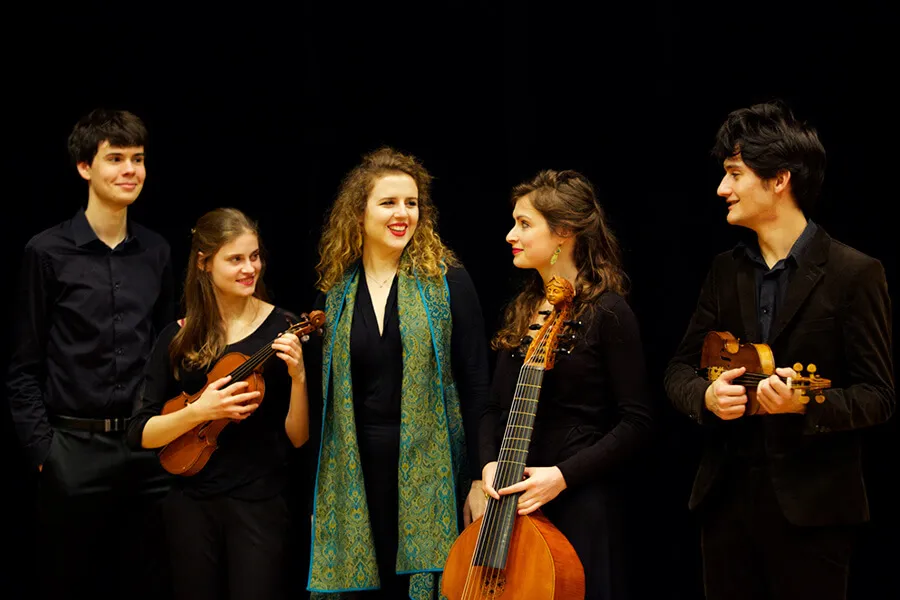
Mezzo-soprano Eva Zaïcik joins Alpha for several recordings. Voted Lyric Revelation of the Year at the 2018 Victoires de la Musique Classique awards and winner of the prestigious Queen Elisabeth Competition in Belgium that same year, Eva Zaïcik is one of the most prominent lyric artists of her generation. She has participated in William Christie's Jardin des Voix des Arts Florissants and collaborates regularly with Le Poème Harmonique and Vincent Dumestre... But her long-time collaborator is harpsichordist Justin Taylor. Together with two other musicians from the Conservatoire Supérieur de Paris, violinists Théotime Langlois de Swarte and Sophie de Bardonnèche, they created Le Consort, which explores the secular and sacred works of composers such as Charpentier, Campra, Clérambault, and others. For this recording, they were joined by flutist Anna Besson and gambist Lucile Boulanger, both well known to the Alpha label, as well as Louise Pierrard (viola da gamba) and Thibault Roussel (theorbo).
Begin the song!
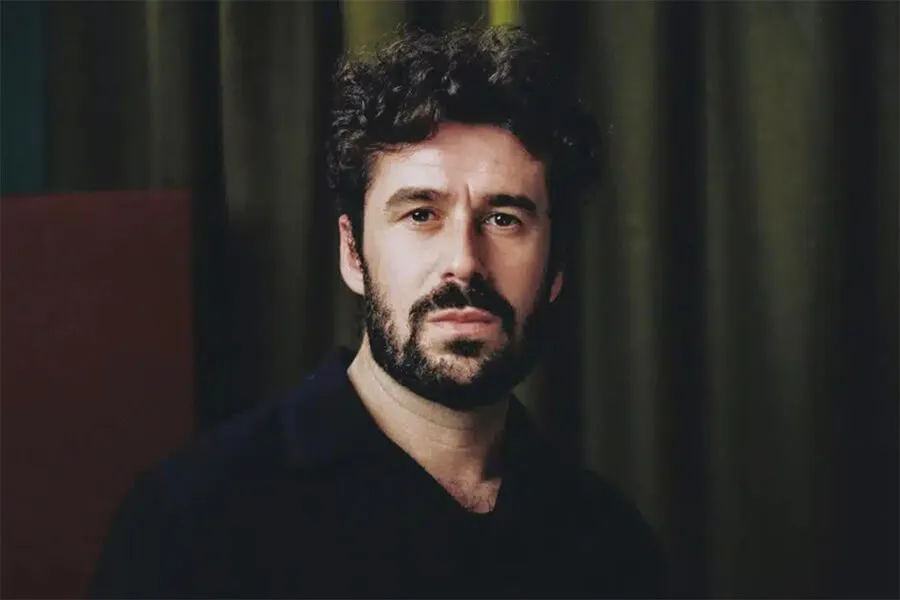
For their very first recording recital, Paul-Antoine Bénos-Djian and his friends from Le Consort invite us to rediscover a repertoire that is particularly close to their hearts: the golden age of English music. Half a century after Alfred Deller's legendary revivals, they have put all their artistry at the service of a constantly renewed sense of wonder at these sublime works.


